Women's History Month: Estée Lauder
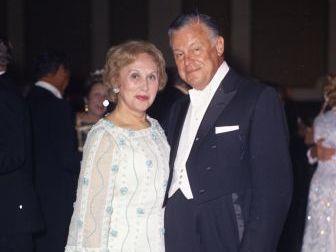
Long before beauty became an industry of billion-dollar brands, before every department store had a cosmetics counter lined with must-have products, Estée Lauder was selling face cream out of her suitcase, knocking on salon doors, and convincing women that they deserved something better.
She didn’t have a business degree. She didn’t come from money. What she had was an instinct for marketing before marketing was a science, a product she believed in, and an unwavering belief that women deserved luxury in their everyday lives.
Her name is now synonymous with beauty, but what she built was bigger than that. She changed the way people experience beauty, making it personal, aspirational, and, most importantly, within reach.
This is how she did it.
A Start with No Shortcuts
Born Josephine Esther Mentzer in Queens, New York, in 1908, Estée grew up watching her Hungarian immigrant mother take meticulous care of her skin. While other kids were playing, she was absorbing her uncle’s work as a chemist, watching him mix creams and lotions in his small lab.
Where others saw jars of skincare, she saw possibility.
Her first business was selling those same creams to friends, neighbors, and eventually salon owners. But Estée didn’t just drop off a jar and hope for the best. She understood something that most businesses at the time didn’t: if a woman tried a product and loved it, she’d come back for more.
So she demonstrated.
She massaged the creams into women’s hands, showed them the difference firsthand, and made the buying process an experience. This wasn’t a sale—it was a transformation.
The Woman Who Refused to Wait for Permission
In an industry controlled by large male-run companies, there was little room for a woman trying to break in with homemade skincare.
Estée ignored that.
She went door to door. She sold her products at beauty salons, high-end hotels, and anywhere women gathered. She didn’t wait to be discovered—she made herself impossible to ignore.
Her big break came in 1946 when she convinced Saks Fifth Avenue to carry her line. But getting into a luxury store wasn’t enough. She knew that women wouldn’t buy what they hadn’t tried, so she did something that no one in the beauty business had ever done:
She gave away free samples.
To most business owners, this would have seemed reckless. But Estée understood something they didn’t, women fall in love with products they experience.
She invented the gift-with-purchase concept, something now standard across the industry. If you spent money at her counter, you got a little something extra. That little something brought people back, and soon, Estée Lauder was outselling bigger, more established brands.
The Power of Exclusivity and Desire
Estée wasn’t just a businesswoman—she was the queen of creating desire.
When she launched Youth Dew, her first fragrance in 1953, she didn’t market it as just another luxury perfume. At the time, perfume was something a woman received as a gift. She changed that narrative, positioning it as an everyday indulgence, something a woman could buy for herself.
But her real stroke of genius?
When she debuted Youth Dew at a department store, she “accidentally” spilled some on the floor. The scent filled the air, women began asking what it was, and by the end of the day, it had sold out.
She understood that exclusivity breeds demand. She never flooded the market with her products; she made people want them.
By the time the competition caught up, she was already ahead.
A Legacy That Goes Beyond Beauty
Estée Lauder wasn’t just building a cosmetics company—she was shaping the way women thought about themselves. She refused to let luxury be reserved for the elite, making high-end beauty accessible without losing its allure.
She ran her business with the same hands-on approach she had when she first started. She personally trained her saleswomen, controlled the packaging, and even insisted on hand-signing thank-you notes to customers.
Her work ethic was relentless.
She once said:
"I never dreamed about success. I worked for it."
And she did—until the very end.
By the time she passed away in 2004, Estée Lauder Inc. was a global empire, owning brands like Clinique, MAC, Bobbi Brown, and La Mer. What started with a single jar of face cream became a multibillion-dollar business that still dominates the beauty industry today.
She didn’t follow the rules—she created them.
She didn’t wait for approval—she built her own empire.
Her name isn’t just on a brand.
Her name is a legacy.