Everything Sounds Real Until It’s Not
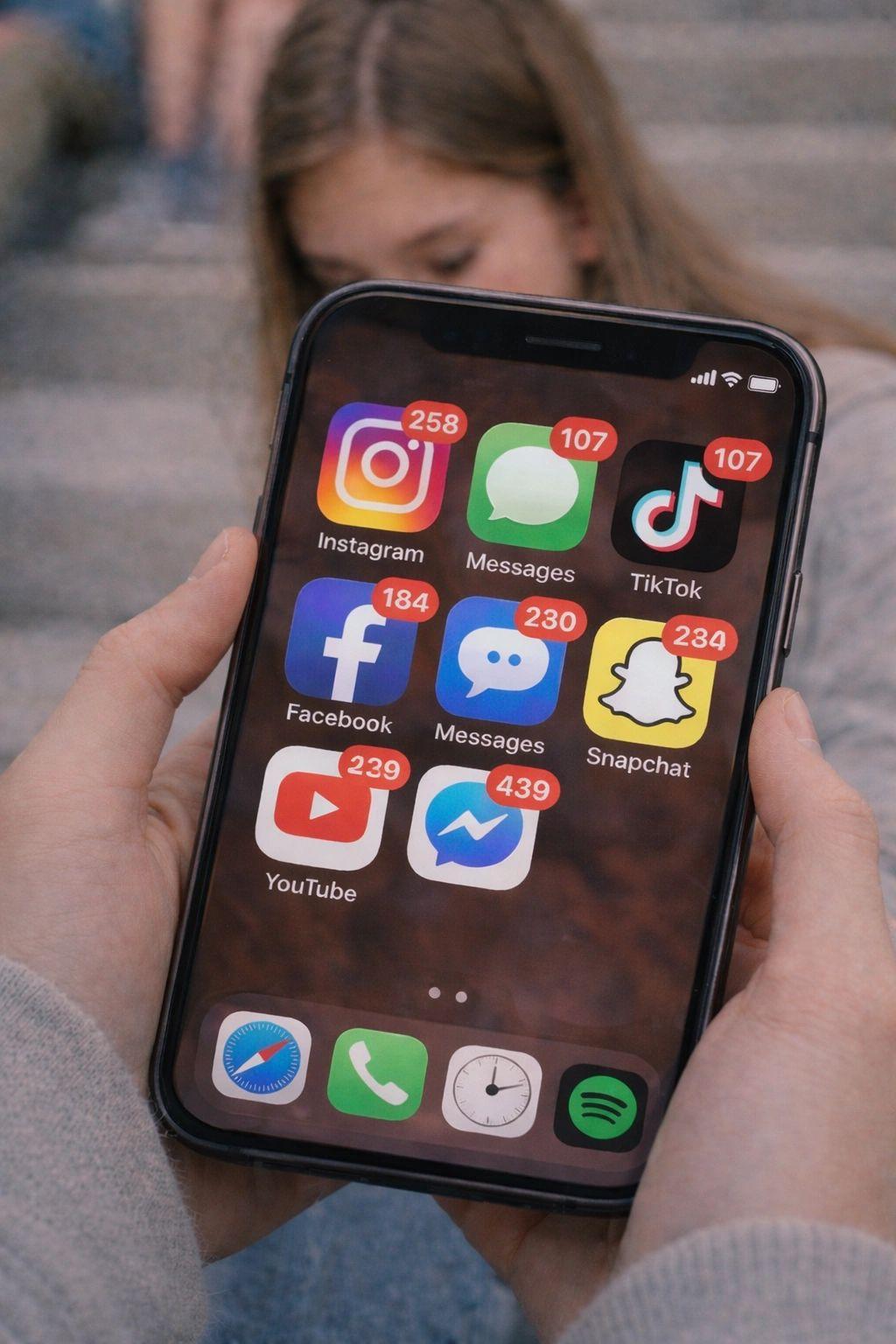
It's never been easier to find information.
You can search anything, watch it, and get an answer in under a minute. But having more access hasn't made things clearer. If anything, it's done the opposite.
A 2022 study from Pew Research Center found that about half of teens say it's difficult to tell what information online is true and what isn't. That uncertainty isn't random. It's built into how information moves now.
You'll see one video explaining something confidently. It sounds clear, logical, and complete. Then you scroll and find another video saying the opposite, just as confidently. Now you're left trying to decide which version to trust, even though both feel convincing.
Part of the issue is how content spreads.
Research from MIT found that false information travels faster online than accurate information, especially when it's surprising or emotional. In other words, the content that reaches the most people isn't always the most reliable. It's the most engaging.
Format plays a role too. Most information now comes in the same structure: short videos, quick explanations, strong delivery. When everything is presented clearly and confidently, it becomes harder to tell the difference between something that's accurate and something that's just well explained.
Confidence can look like credibility, even when it isn't.
Repetition makes this harder. A study published in Nature Human Behaviour found that people are more likely to believe information they've seen multiple times, regardless of whether it's true. Familiarity creates a sense of accuracy. So if you hear the same claim often enough, it starts to feel established, even if it's never been verified.
Why it feels overwhelming
There isn't just more information. There's more of everything at once: more opinions, more explanations, more people speaking with authority. Not all of it is wrong. But not all of it is right either, and there's rarely a clear line between the two.
At some point, people stop trying to fully verify everything. They rely on what seems most consistent, most familiar, or most widely accepted. That's a natural response to overload.
What actually helps
Not constant fact-checking. That's not realistic.
But there are small habits that make a difference.
Pause before accepting something as true. Even briefly. Look for the same idea explained in more than one place, not repeated word-for-word, but supported with actual context. Pay attention to how information is being presented. If something is pushing for a quick reaction or a strong opinion, it's worth stepping back.
And sometimes, it's reasonable to not have a clear answer right away.
What this comes down to
This isn't about knowing everything.
It's about recognizing that not everything you see is equally reliable. You don't need to question every detail. But understanding how easily information can spread, repeat, and feel convincing helps you stay grounded in the middle of it.
There's more information than anyone can realistically process. And most of it is designed to hold your attention first, not give you the full picture.
Once you understand that, things don't suddenly become simple. But they do become easier to approach with a little more distance and a little more awareness.
That's usually enough.